






新闻
新闻
联系我们
Why Do Mobile Phone Batteries Swel? How do l fix a swollen battery?
时间:2025-12-31
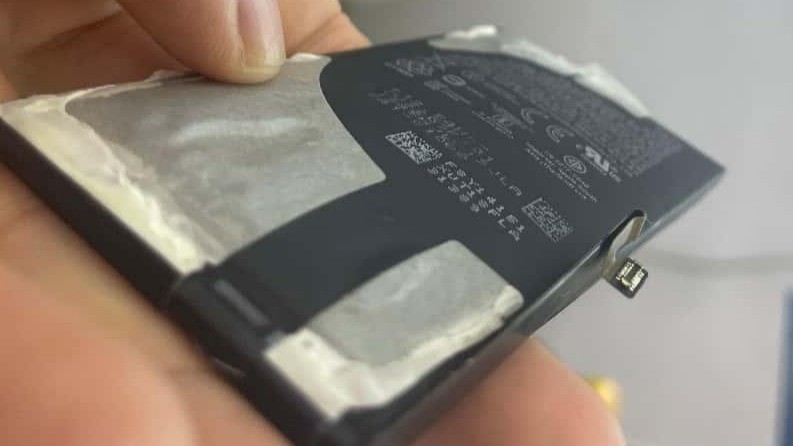
All types of batteries can swell, with lithium batteries being the most common. Lithium-ion batteries are widely used in various portable electronic devices, including smartphones and laptops. Therefore, not only smartphone batteries can swell, but other devices powered by lithium batteries may also encounter this issue.
Lithium battery swelling usually occurs due to the accumulation of gases inside the battery (mainly a mixture of hydrogen, oxygen, and carbon dioxide). So, why do gases accumulate inside the battery? Here are several main reasons:
Electrolyte decomposition: Over time and with multiple charge/discharge cycles, the electrolyte inside the battery may break down and produce gas. These gases accumulate inside the battery casing, causing it to swell.
Overcharging: Charging the battery beyond its design limit generates excessive heat, leading to internal short circuits and component failures. This breakdown produces gas, causing the battery to swell.
Overdischarging: Excessive discharge can also damage the internal structure of the battery, leading to gas generation.
Poor battery management: Modern batteries are usually equipped with a battery management system (BMS) to monitor and control charging and discharging, ensuring safe operation. If this system fails, the battery may operate outside safe parameters, leading to swelling.
Physical damage: Dropping or puncturing the battery can damage its internal structure, resulting in internal short circuits or other failures, producing gas. For example, dropping a phone from a height can cause the battery to swell.
High temperatures: Exposing the battery to high temperatures can cause internal materials to decompose and produce gases. Therefore, it is crucial to keep devices away from extreme heat sources.
Defective batteries: Manufacturing defects can also lead to battery swelling. Sometimes, defects during the production process can cause internal short circuits or other issues that lead to gas formation.
Aging: As batteries age, their internal components degrade, reducing capacity and efficiency. The decomposition of these materials also produces gas, causing the battery to swell over time.
When a battery swells, it indicates an internal problem and presents potential safety risks. In some cases, a swollen battery may rupture or even catch fire. Therefore, if you notice a battery swelling, stop using the device immediately and replace the battery as soon as possible.
Next:No more content

请给我们留言